Let’s face it. No one likes to exercise. No one wants to exercise, especially after getting a diagnosis or a treatment.
When your doctor told you to exercise, you rolled your eyes and said, “Sure, Doc.”
I hate doing the first pushup. I hate taking the first step on a walk even though I know it is good for me.
So I needed to reframe the entire concept of “exercise.”
Try this:
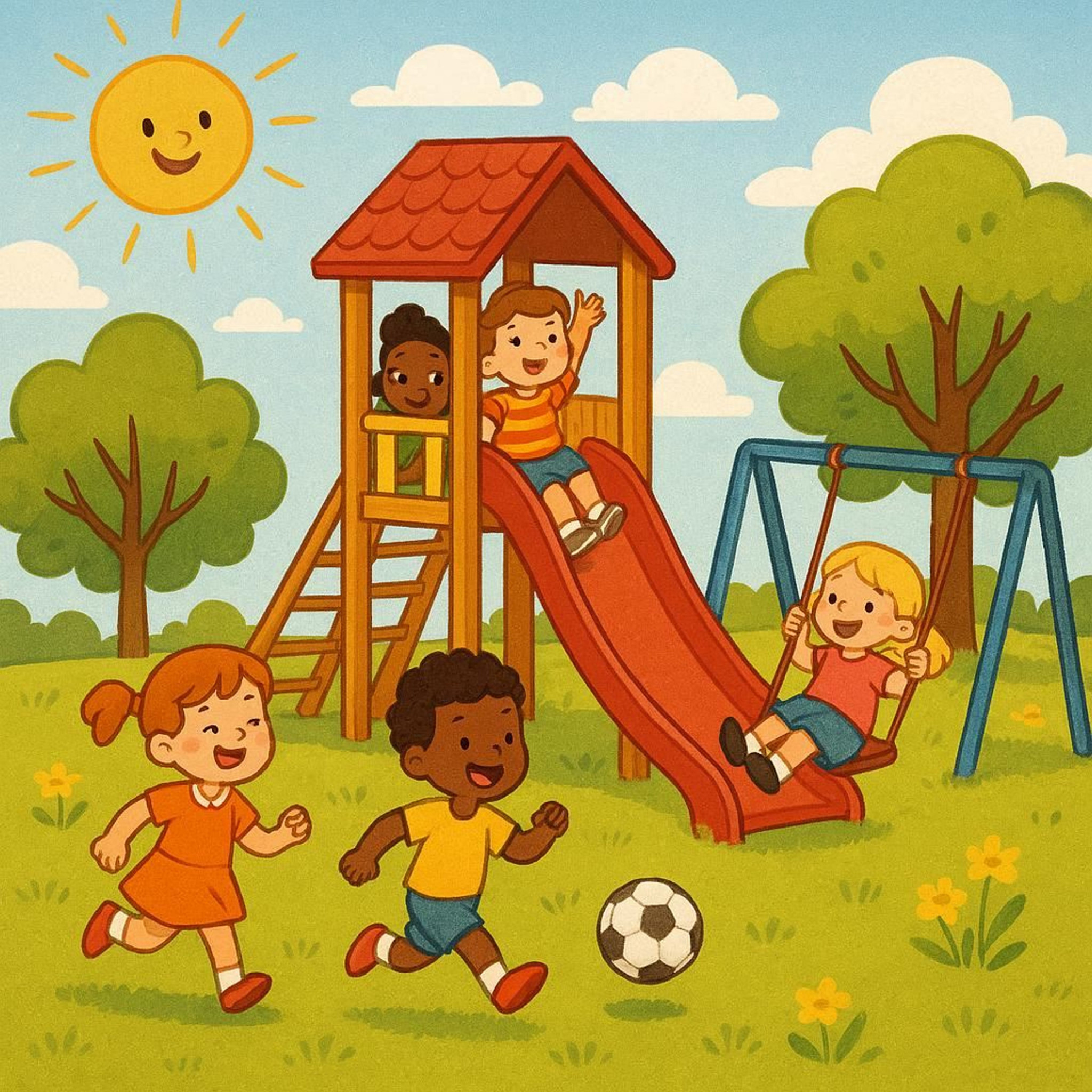
Do you remember when you were in elementary school? You couldn’t wait for recess!
You ran. You played with friends. You played hopscotch and shot marbles. You swung on the jungle gym and slid down the slide.
You did whatever you wanted. No one kept score. You loved it!
Then you graduated to middle school. You dreaded PE. You wore embarrassing uniforms that made you look like a dork. You performed stupid stunts, like climbing a rope or square dancing.
Everyone kept score. There were winners and losers. You hated it.
No wonder you hate the concept of “exercise,” “going to the gym,” and “working out.”
So let’s reframe the dreaded “exercise” to the fun of “recess.”
What does recess really mean? Free-form movement.
Move. Just move. Stand up. Sit down. Twirl. Reach for the ceiling. Reach for the floor.
You can’t go wrong.
You can find programs to work every part of your body online. But think of the programs as PLAY, not as EXERCISE.
We loved playing when were young. We were bold, curious, and free!
Why do we lose that feeling as we got older?
Recess was a chance to socialize, develop people skills, and release the boredom of the classroom. You can recreate those skills by joining a yoga class, or any group fitness class at a gym. Let your imagination run wild, just as you did when you were a child.
Give yourself the gift of recess.
Don’t overlook everyday activities that exercise your body:
- Shopping. You are walking, reaching, pulling, bending, and lifting.
- Driving. You are twisting and turning, getting up and sitting down, and using controlled micro-movements in your hands, arms, feet, and neck.
- Making coffee. Lifting, twisting, and fine motor skills.
- Cleaning the cat box. Squatting, fine motor skills, lifting 10 pounds or 40 pounds of litter.
I’m pretty sure these activities aren’t on anyone’s list of recommended cardio or weight-training activities. But these motions are necessary for daily living.
Isn’t that what exercise is supposed to do?
Play like no one is looking! Because no one is looking. They are thinking about how they look and hoping no one thinks theydance like dorks.
Your Turn
You will only do the movements you like to do and won’t do the movements you don’t want to do. What movements do you like to do?